
Everybody hates meetings. Even the chair.
Too long. Boring. People don't know when to speak or what they're supposed to say. Nobody wants to look like a dope.
And there's always somebody who's a Jedi Master of parliamentary procedure and uses their Robert's Rules sword to dissect everyone else.
Meetings aren't the problem. Bad meetings are.
Make the time you spend together count.
Every Meeting Needs Order
 A church members' meeting needs order. Your HOA meeting really needs order. A business meeting needs someone to stop Bob from talking about missing office supplies for 45 minutes. Or Carla emphatically warning everyone that the "weiners are thawing" (a freezer was on the fritz). Your Student Government needs order.
Someone leads. There's an agenda. People get a chance to speak. Decisions get made.
Rules can be super simple: raise your hand and wait to be recognized. But a contentious Student Senate may need to require everyone to be very formal, using "My esteemed colleague" like the U.S. Senate. This formality gives dignity to your meeting, even if you hate each other.
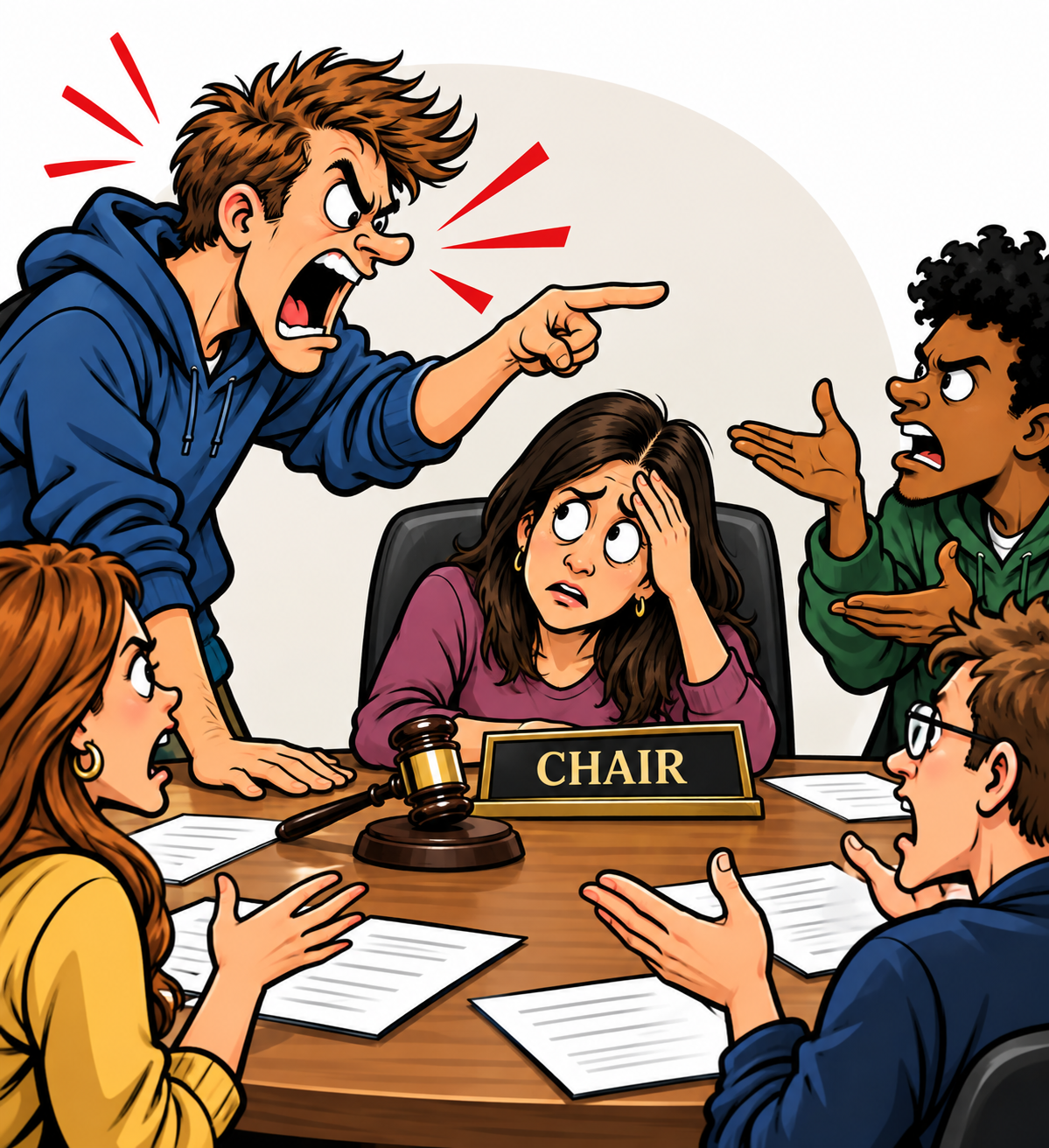
The More Contentious, the More the Rules Matter
When everybody agrees, nobody notices, or cares about, the rules. What about when they disagree. Very, very much.
Who gets to speak? Who speaks next? When does debate end? Can something be amended? Who gets to vote? What happens when someone challenges the chair?
Without agreed-upon rules, the loudest or most aggressive person stomps on everyone else. The rules protect the people and the meeting.
Learn the Rules
Meeting FAQsGet answers to common parliamentary-procedure questions.
Robert's Rules Made SimpleLearn the basics without trying to memorize the whole book. ASGA members get a 20% discount with code ASGAMEETING

Robert's Rules Is a Tool. That's All.
You don't need everybody in your SG to become a parliamentarian. Members need to understand enough to participate confidently. The chair needs to understand enough to conduct business fairly.
Robert's Rules isn't there to stop disagreement. It's there to let you disagree without destroying the meeting.
Too much procedure. Not good.
A five-person committee doesn't need to operate like Congress. If raising your hand, being recognized, discussing the issue, and taking a vote works, great. A large or contentious Associated Students may need considerably more structure.
Beware the Parli-Pro Jedi Master
This person knows parli pro intimately. Really well. They even fall asleep counting motions from Robert's Rules. But then Mr. Meeting bashes everyone over the head with this vast knowledge, shuts people down, and intentionally makes you look stupid. Worse, they manipulate the meeting to get what they want.
OK, so you know an obscure motion. You're not more important than everyone else! If you know the rules, be a teacher. Help them learn and become competent.
Learn How to Handle It
Disagreement Is Normal. Chaos Isn't.
SG members disagree. They debate. They argue passionately for what they believe.
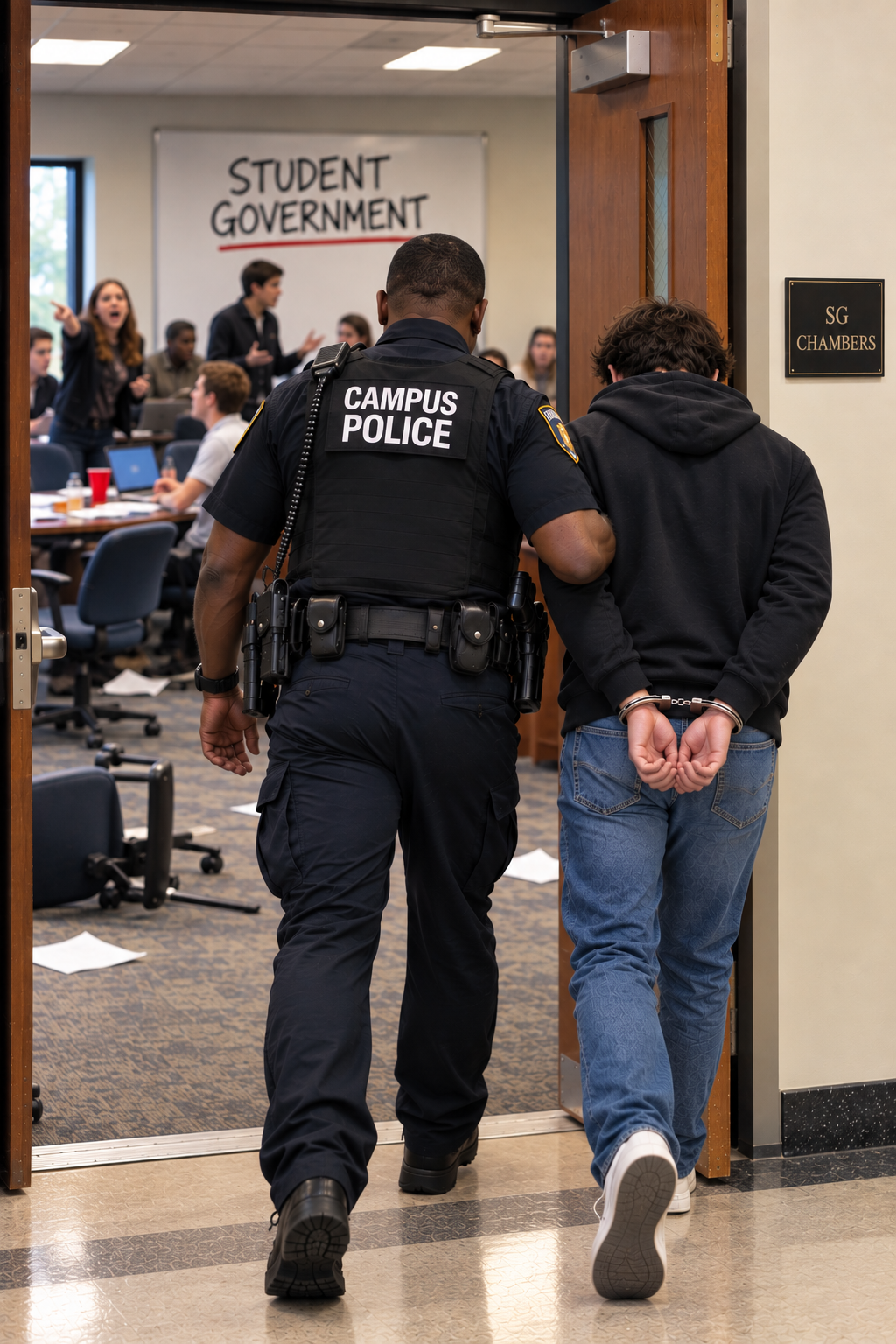
But screaming? Personal attacks? Threats? Members talking over each other, and refusing to follow the chair?
ASGA has actually seen campus police called to break up an SG meeting. Are you next?
Keep Control Without Taking Control
Your Meeting Isn't the Work
Too many SG meetings are filled with officer reports, committee reports, announcements, updates, and people talking because it's their turn to talk. Then everybody goes home two hours late. What actually happened? What got done?
Most of SG's work happens between meetings. Use meeting time for things that require having everyone together: discussion, debate, decisions, votes, problem-solving, questions.
Routine information? Put it in writing. Send it ahead of time.
What Deserves Meeting Time?
Yes, Use the Meeting.
Discuss & DebateIssues that need many viewpoints.
Decide & VoteThings the group needs to decide now.
Solve ProblemsAll hands on deck are needed.
Use the Personal TouchSensitive or complicated issues: you need to listen, question, persuade, debate, and compromise.
Nope. Somewhere Else.
Routine ReportsPut them in writing.
AnnouncementsSend them before/after.
Nothing to ReportThen don't.
Information Everyone Can Read They're smart.
Two-Person ProblemsNo need for 30 people to watch two battle.
Put It Into Practice

If regular meetings routinely drag on and on for hours, don't boast about your dedication. That's mismanagement.
How Often Should You Meet?
Don't waste members' time. Meet only when you have to.
Executive Board
Usually weekly. There's normally enough ongoing work.
Senate / Assembly
Usually weekly/biweekly. It depends on how much real business SG has.
Committees
As often as necessary. Major project? Weekly. Normal? Biweekly.
Don't meet just because there's a meeting on the calendar. Definitely don't meet so everyone can report that there's nothing to report.
Compare Your SG
Survey on SG Meetings & Times NationwideWhen do other SGs meet? How do they choose the time and day? How do they work with their institution's leaders to avoid conflicts?
Search SG Meeting Schedules
Build Better Agendas & Better Minutes
Good meetings start before someone calls the meeting to order.
Watch & Learn
More Meeting Help
Related: Your Governing Documents
Need More Help With Robert's Rules?
ASGA's partner, Robert's Rules Made Simple, can help you understand parliamentary procedure without getting too complicated.
Get a 20% discount with code ASGAMEETING.
Get These Useful Guides
Created by ASGA for You and Your SG
ASGA's team created these practical tools to make you a parli pro master fast.
Chairperson's Motion ChartEverything you need right in front of you on one page when you're running the meeting
Parliamentary Procedure Study GuideGo to the main stuff you need without memorizing Robert's Rules
Parli-Pro Reference DeckQuick answers when you need them
Motion Forms PackForms to keep everything organized
Get the guides in the ASGA Store.